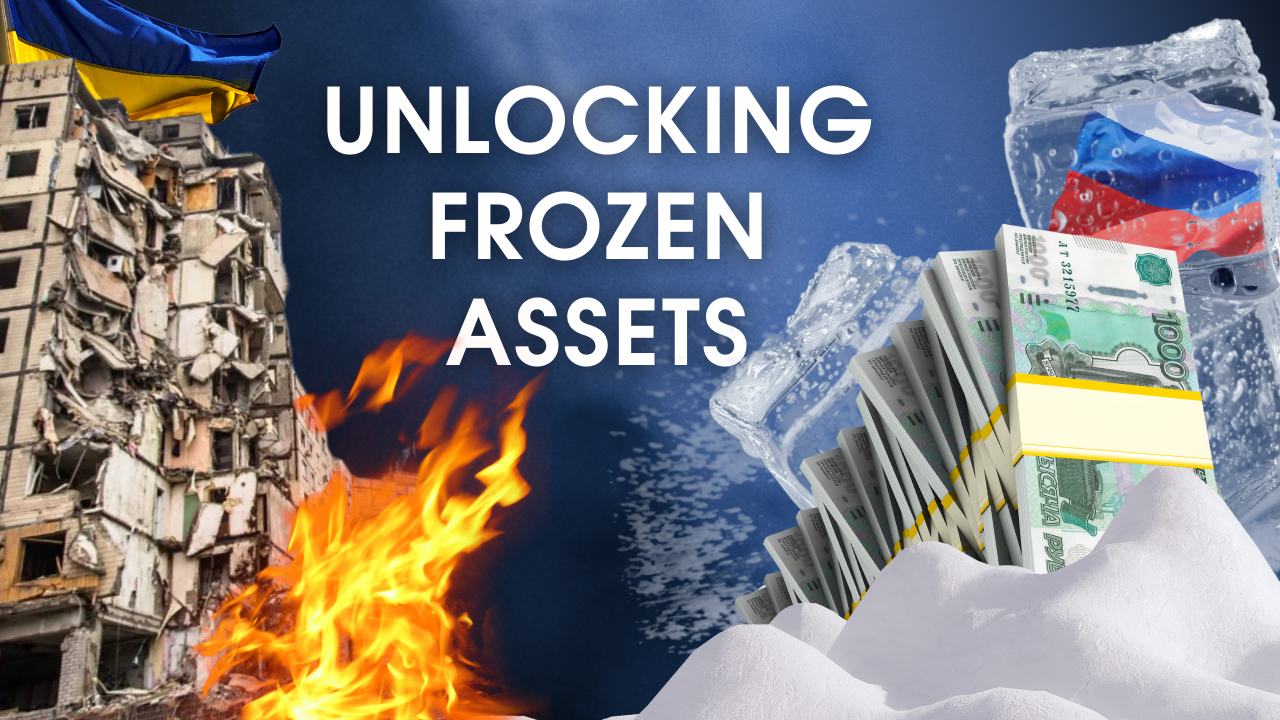
Understanding Frozen Assets Recovery
In today’s complex financial landscape, the issue of asset freezing has gained significant attention. Individuals and businesses face various situations that may lead to the freezing of their assets, whether due to legal proceedings, compliance with sanctions, or disputes. In this article, we will delve into the intricacies of Frozen Assets Recovery, the challenges involved, and the pathways available to navigate this difficult process.
What are Frozen Assets?
Frozen assets refer to any financial resources, such as bank accounts, investments, or properties, that are restricted and cannot be accessed or utilized by the account holder or owner. This freezing can result from various factors, including but not limited to legal judgments, criminal investigations, or enforcement actions based on sanctions laws. The freezing of assets often creates significant hardships for individuals and businesses, particularly when it involves their primary funds or critical financial resources.
Common Reasons for Asset Freezing
Understanding the reasons behind frozen assets can help individuals and businesses anticipate potential issues and seek timely solutions. Some common reasons for asset freezing include:
- Legal Judgments: Courts may freeze assets to ensure that funds are available to satisfy a future judgment or financial obligation.
- Sanctions Compliance: Governments may impose sanctions that require financial institutions to freeze assets associated with certain individuals or entities.
- Fraud Investigations: Authorities may freeze assets as part of a broader investigation into suspected fraudulent activities.
- Tax Liens: Tax authorities can freeze assets to secure unpaid taxes owed by an individual or business.
Legal Framework Surrounding Frozen Assets
The legalities surrounding frozen assets can vary significantly based on jurisdiction and the specific circumstances that led to the freeze. Below are some key aspects of the legal framework that individuals and businesses should consider:
National Laws and Regulations
Each country has its own laws governing asset freezing, including specific procedures that must be followed to initiate a freeze and the rights of the affected parties. Understanding these laws is crucial in determining the next steps following an asset freeze.
International Sanctions and Compliance
In an increasingly globalized world, international sanctions imposed by entities such as the United Nations or the European Union may also contribute to the freezing of assets. Compliance with these sanctions requires financial institutions and individuals to adhere to specific guidelines, which can complicate the recovery process.
Steps to Recover Frozen Assets
Recovering frozen assets can be a daunting process, yet there are several steps individuals and businesses can take to facilitate this recovery:
1. Assess the Situation
The first step in recovering frozen assets is to thoroughly assess the situation. Understanding why the assets were frozen and identifying the relevant authorities involved will provide a clearer picture of the necessary actions required for recovery.
2. Consult with Legal Experts
Seeking legal advice from professionals who specialize in asset recovery, sanctions law, or related fields can provide invaluable assistance in navigating the complexities of the situation. A qualified attorney can help outline options and develop a strategy for recovery.
3. Prepare Required Documentation
Gathering all necessary documentation is essential for demonstrating the legitimacy of the assets and the reasons for their release. This may include financial statements, proof of ownership, and any relevant legal documentation.
4. Submit Required Applications
In many cases, a formal application must be submitted to the relevant authorities for the release of frozen assets. This application will typically need to include the previously mentioned documentation along with a detailed explanation of the request.
5. Follow Up
After submitting applications, it is important to follow up with the authorities to monitor the status of asset recovery efforts. Persistence can be key, as bureaucratic processes can often lead to delays.
Common Challenges in Asset Recovery
While the steps mentioned above can guide individuals and businesses in recovering frozen assets, several challenges can arise during the process:
Prolonged Timelines
The asset recovery process can be lengthy, especially if multiple authorities are involved or if complicated legal matters arise. Patience and persistence are critical during this time.

Legal Complexities
The legal framework surroundin
g frozen assets can be intricate and varies significantly depending on the jurisdiction. Navigating these complexities without professional legal assistance can prove challenging.
Potential for Appeal
In some cases, assets may be frozen due to a legal judgment or sanctions that the owner contests. This may require appealing the decision, which adds another layer to the recovery process.
Conclusion
Navigating the world of frozen assets recovery can be overwhelming, especially when faced with legal roadblocks and complex regulations. By understanding the reasons behind asset freezes and the necessary steps for recovery, individuals and businesses can optimize their chances of regaining access to their assets. Seeking legal expertise and maintaining open communication with relevant authorities are paramount in overcoming the challenges that may arise during the recovery process. Ultimately, recovering frozen assets is not just about reclaiming financial resources; it’s about restoring peace of mind and financial stability.